Follow Me On Social Media!

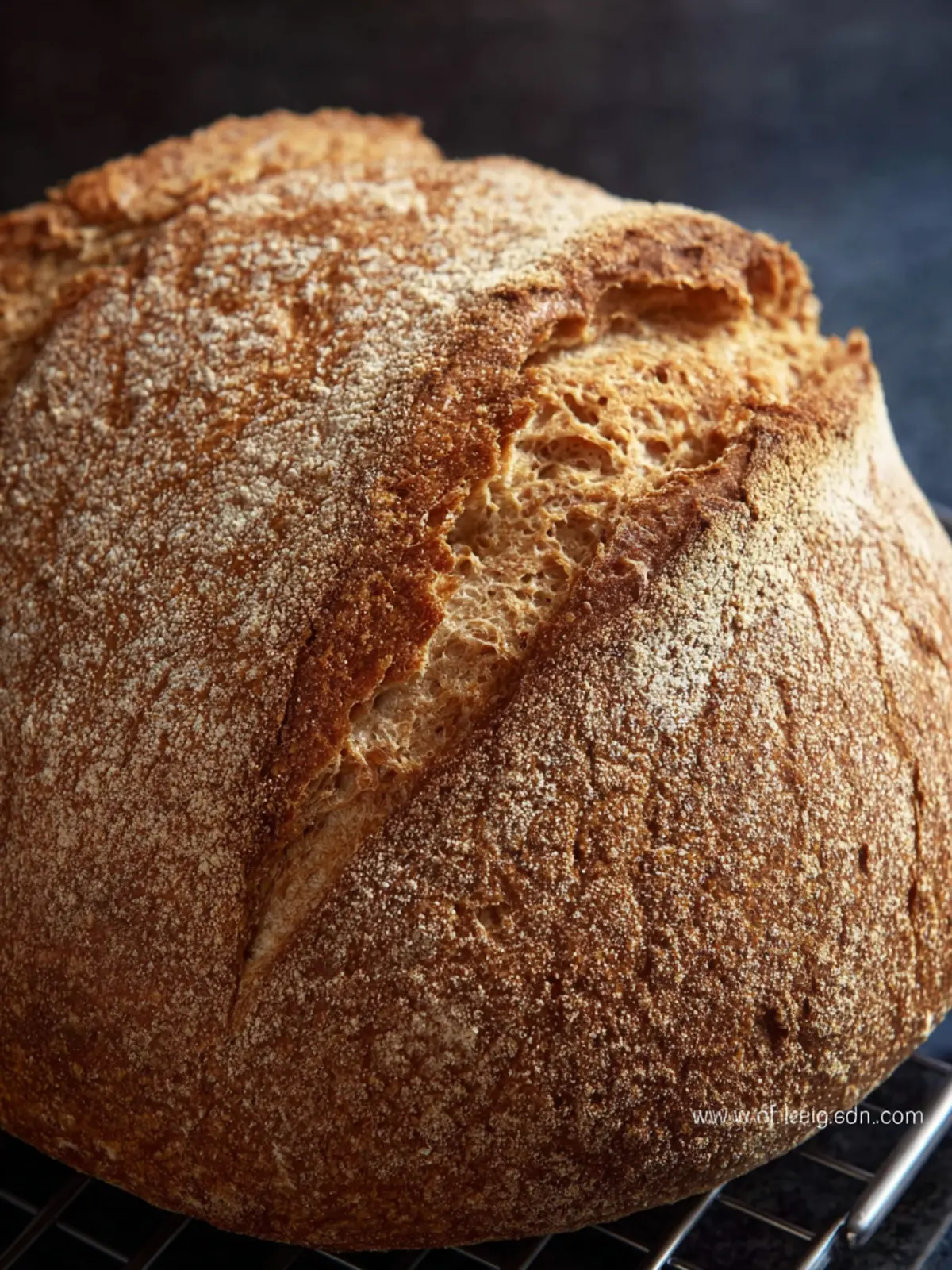
Gluten Free Artisan Bread: Your Best Homemade Delight!

Introduction to Gluten Free Artisan Bread
Gluten free artisan bread is much more than just a trendy alternative for those with dietary restrictions; it’s a delightful way to enjoy homemade bread that’s packed with flavor and texture. Imagine a warm loaf, freshly baked, with a crispy crust and a soft, chewy interior that invites you to slice into it. This bread brings a unique story to the table—crafted with care, utilizing wholesome ingredients that make each bite special. As someone who has experimented with various bread recipes over the years, I can assure you that the joy of making gluten free artisan bread lies in its possibilities and the satisfaction it brings while sharing it with friends and family.
What makes gluten free artisan bread so special?
The magic of gluten free artisan bread resides in its incredible ability to replicate the characteristics of traditional bread without the gluten. This is not just a compromise; it’s an adventure in taste and creativity that opens up a world of possibilities for those who have given up gluten. Here’s why this bread stands out:
-
Diverse Flours: Unlike standard bread, gluten-free recipes often incorporate a medley of flours—from almond to brown rice and even coconut. This blend not only offers unique flavors but also brings different nutritional benefits, making each slice not just tasty but also healthful.
-
Artisan Techniques: Much like traditional artisan loaves, gluten-free versions benefit from long fermentation times, enabling the flavors to deepen and the textures to improve. Techniques such as using a pre-ferment or a sourdough starter enhance the bread’s complexity, making it a craft in itself.
-
Texture and Flavor: The use of various thickeners and binders, like psyllium husk or xanthan gum, helps develop a crumb structure akin to wheat bread. This means that instead of a dense and crumbly loaf, you’ll enjoy airy, satisfying texture that holds together beautifully.
-
Versatility: Whether you’re looking to create a toast-worthy loaf for breakfast or a crusty bread for dinner, gluten free artisan bread adapts to your culinary needs. The flavor profiles are endless, giving you the chance to experiment with herbs, spices, and even seeds.
Overall, crafting gluten free artisan bread is a fulfilling process that culminates in a delicious reward, making it perfect for anyone looking to elevate their bread-making game.

Key Ingredients for Gluten Free Artisan Bread
Creating gluten free artisan bread is a delightful journey of flavors and textures. Each ingredient plays a crucial role in achieving that crusty exterior and soft, chewy interior we all love.
Gluten-Free Flour Blend: A careful mix of gluten-free flours, like brown rice flour, tapioca starch, and almond flour, forms the backbone of our bread. This blend provides the necessary structure and flavor. Be sure you use a quality blend to ensure optimal results.
Psyllium Husk Powder: This ingredient is a game-changer for gluten-free baking. It mimics gluten, helping to hold the bread together and enhancing its chewy texture.
Yeast: Fresh yeast brings life to our bread, allowing it to rise beautifully. It’s important to activate it properly to achieve airy and light bread.
Salt: Enhances the flavor and balances the sweetness of the bread. A pinch of salt can make all the difference in taste.
Olive Oil: Adding olive oil not only enriches the flavor but also contributes to a softer crumb and a lovely crust.
By understanding each of these ingredients, you’ll be on your way to baking the perfect gluten free artisan bread that impresses at every meal.
Why You’ll Love This Gluten Free Artisan Bread
Imagine pulling a warm loaf of gluten free artisan bread from the oven, its golden crust crackling as you tear into it. This isn’t just any bread; it’s the kind that fills your kitchen with the aroma of freshly baked goodness, making your mouth water in anticipation. Our recipe for gluten free artisan bread is perfect for those who crave that artisanal touch without the gluten.
A Texture to Savor
One of the standout features of this bread is its delightful texture. The crust is crisp yet tender, while the inside is lightweight, airy, and holds just the right amount of moisture. Whether you’re enjoying it plain, toasting it with a bit of butter, or slathering on your favorite spreads, each bite delivers a satisfying crunch followed by a soft, fluffy delight.
A Versatile Choice
This gluten free artisan bread is incredibly versatile. Pair it with soups, salads, or cheeses for a complete meal, or use it as the base for a mouthwatering sandwich. You can even experiment with different toppings, from avocado to prosciutto, allowing it to become a staple in your kitchen.
Healthy and Wholesome
Crafted with wholesome ingredients, this recipe puts your dietary goals first. Enjoy the rich flavor and artisanal appeal while knowing you’re consuming something that’s both delicious and nutritious.
Once you try it, you’ll understand why this gluten free artisan bread will quickly become a favorite in your home!

Tips for Making the Perfect Gluten Free Artisan Bread
Creating the perfect gluten free artisan bread can feel like an art form. But with a few key strategies, you’ll find yourself crafting loaves that are not only beautiful but also bursting with flavor and texture.
Focus on Quality Flour
Choosing the right flour is crucial. A high-quality, gluten-free flour blend made from whole grains, like brown rice or sorghum, not only adds flavor but also provides a better structure. Mixing flours can yield a more complex taste—consider a blend of almond flour, coconut flour, and a starch like tapioca for springiness.
Adequate Hydration is Key
Gluten-free bread often requires more moisture than traditional bread because the gluten-free flours absorb liquids differently. Don’t skimp on water or use too little; the dough should be sticky but manageable.
Master the Dough
Let your dough rise in a warm place for at least an hour. This step enhances flavor while creating a light texture. If you’re unsure, stick your finger in the dough; it should spring back slightly when ready.
Bake with Confidence
To achieve that crusty exterior typical of artisan bread, bake your loaf in a preheated Dutch oven. This method traps steam, promoting a fantastic rise and crust.
By incorporating these tips into your gluten free artisan bread journey, you’ll be well on your way to baking perfectly delicious loaves that impress!
Time Details for Gluten Free Artisan Bread
Creating gluten free artisan bread is an enjoyable experience that requires a bit of patience and precision. Here’s a breakdown of the time commitment involved to guide you through your baking journey.
Preparation Time
The initial prep work for this gluten free artisan bread takes about 15 minutes. This includes gathering all your ingredients, mixing your dough, and getting everything ready for the magical process to come.
Rising Time
Once your dough is mixed, it needs to rise. You’ll want to let it rest for around 1-2 hours. This stage is crucial as the dough develops flavor and texture, so be patient — it’s worth it!
Baking Time
Finally, the excitement culminates in baking for about 40-50 minutes in a preheated oven. The aroma of freshly baked bread will fill your kitchen, enticing everyone around!
Following these time guidelines will help ensure your gluten free artisan bread turns out perfectly every time.

Nutritional Information for Gluten Free Artisan Bread
When whipping up a loaf of gluten free artisan bread, knowing its nutritional profile can elevate your baking experience. This bread isn’t just delightful in taste; it’s also packed with valuable nutrients.
Calories
A standard slice of this gluten free artisan bread contains approximately 120 calories. It’s a manageable addition to your diet, allowing you to savor each bite without overindulging.
Protein
Protein lovers will appreciate that each slice offers around 4 grams of protein. This helps promote muscle recovery and keeps you feeling satisfied after your meal.
Fiber
One of the standout features of this gluten free artisan bread is its fiber content, boasting about 2 grams per slice. This not only aids digestion but also helps maintain a healthy gut. Plus, it aids in feeling full longer, making this bread a smart choice for any meal.
FAQs about Gluten Free Artisan Bread
Baking gluten free artisan bread can be a delightful journey into creating something hearty and wholesome. If you’re navigating the world of gluten-free baking, you may have a few questions. Let’s dive into some common queries!
Can I use regular flour instead of gluten free flour?
While the idea of substituting regular flour with gluten-free flour may be tempting, it’s not advisable if you’re aiming for a gluten free artisan bread. Regular flour contains gluten, which is crucial for the structure and texture of traditional bread. Instead, opt for a gluten-free flour blend specifically designed for baking. These blends usually include a mix of various flours and starches, providing that necessary elasticity and chewiness. Experimenting with different combinations can help you find a flavor profile and texture you love!
What can I do if my dough doesn’t rise?
A flat loaf can be disheartening, especially after all that effort! If your gluten free artisan bread doesn’t rise, a few reasons could be at play:
- Active yeast: Ensure your yeast is fresh and activated. Proofing the yeast in warm water with sugar for a few minutes can help.
- Environment: A humid and warm environment encourages rising. Try placing your dough in a warmer spot, like near a preheated oven.
- Moisture: Sometimes, gluten-free dough requires more moisture than regular dough. If it seems dry, adding a little extra liquid can help achieve that perfect rise.
How do I store gluten free artisan bread?
Storing your gluten free artisan bread properly is key to maintaining its freshness. Here’s how:
- Room Temperature: If you plan to eat the bread within a few days, keep it in a paper bag at room temperature. To avoid it getting stale, store it in a cloth bag or wrapped in a kitchen towel.
- Freezing: For longer storage, slice the bread and freeze it. Wrap individual slices in plastic wrap and store them in a zip-top bag. This makes it easy to toast a slice whenever the craving strikes!
By addressing these concerns, you can ensure your baking experience is enjoyable and your bread turns out beautifully every time!
Conclusion on Gluten Free Artisan Bread
Baking gluten free artisan bread is not just a culinary challenge; it’s a delightful journey that results in a warm, crusty loaf perfect for sharing. With this recipe, you’ve embraced a unique blend of alternative flours and techniques that provide both texture and flavor—setting your bread apart from commercial gluten-free options. Your choice to make it at home allows for creativity in flavors and ingredient combinations. So whether you’re slathering it with butter or enjoying it alongside a fresh salad, you can feel proud of crafting this wholesome treat. Each slice tells a story of health and indulgence wrapped in a delightful crust.
Print
Gluten Free Crusty Bread
- Total Time: 60 minutes
- Yield: 1 loaf 1x
- Diet: Gluten Free
Description
This gluten free crusty bread has a realistic texture and is perfect for those following a gluten free diet.
Ingredients
Scale
- 488 grams gluten free flour blend
- 2 1/2 teaspoons rapid yeast (1 packet)
- 16 grams psyllium husks
- 2 1/2 cups purified water
Instructions
- Before you make this bread, prepare your psyllium husk gel. Measure the psyllium husks using a digital scale and place them into a small bowl. Add the husks to 1 1/2 cups of water and mix. Let it sit for 5 minutes until it forms a gel.
- In the bowl of a stand mixer, add the remaining water, psyllium gel, flour, sugar, and rapid yeast. Add a paddle attachment and turn the mixer on low to incorporate the ingredients. Turn the speed up to medium and let the dough mix well. It is finished mixing when it pulls away from the edges of the mixer bowl.
- Remove the dough and place it onto a flour-dusted silicone mat. Your dough should be tacky but easy to work.
- Roll the dough into a ball, then press it down into a large circle.
- Fold over the ends to give the dough a bit of structure so it rises upward better. Fold the other ends over. Flip the dough over and shape it into a ball.
- Place the dough into a round banneton to rise in a round shape.
- Cover the banneton loosely with plastic wrap or use a disposable shower cap and wrap it over the basket, and put the dough in a warm spot to rise. The dough should double in size, about 45 minutes, if it is warm.
- Preheat the oven to 450ºF with a Dutch oven with the lid on in the oven.
- Use a bread lame to make a slash in the dough.
- Carefully remove the Dutch oven or baking sheet from the oven. If using a Dutch oven, drop the dough in and put the lid on. Return it to the oven.
- If you are using the baking dish and pan method, quickly place the bread on the baking sheet and drop 4-5 ice cubes into the hot pan below and quickly close the oven door to make steam.
- Bake the bread for 40-45 minutes until golden brown and the internal temperature reaches 210ºF.
- Remove the Dutch oven from the oven and lift the bread out onto a cooling rack.
- Do not slice the bread until it is fully cooled.
Notes
- Refer to notes for specific measurements and tips on using gluten free ingredients.
- Prep Time: 15 minutes
- Cook Time: 45 minutes
- Category: Bread
- Method: Baking
- Cuisine: American
Nutrition
- Serving Size: 1 slice
- Calories: 150
- Sugar: 1g
- Sodium: 150mg
- Fat: 1g
- Saturated Fat: 0g
- Unsaturated Fat: 0g
- Trans Fat: 0g
- Carbohydrates: 30g
- Fiber: 3g
- Protein: 5g
- Cholesterol: 0mg