Follow Me On Social Media!

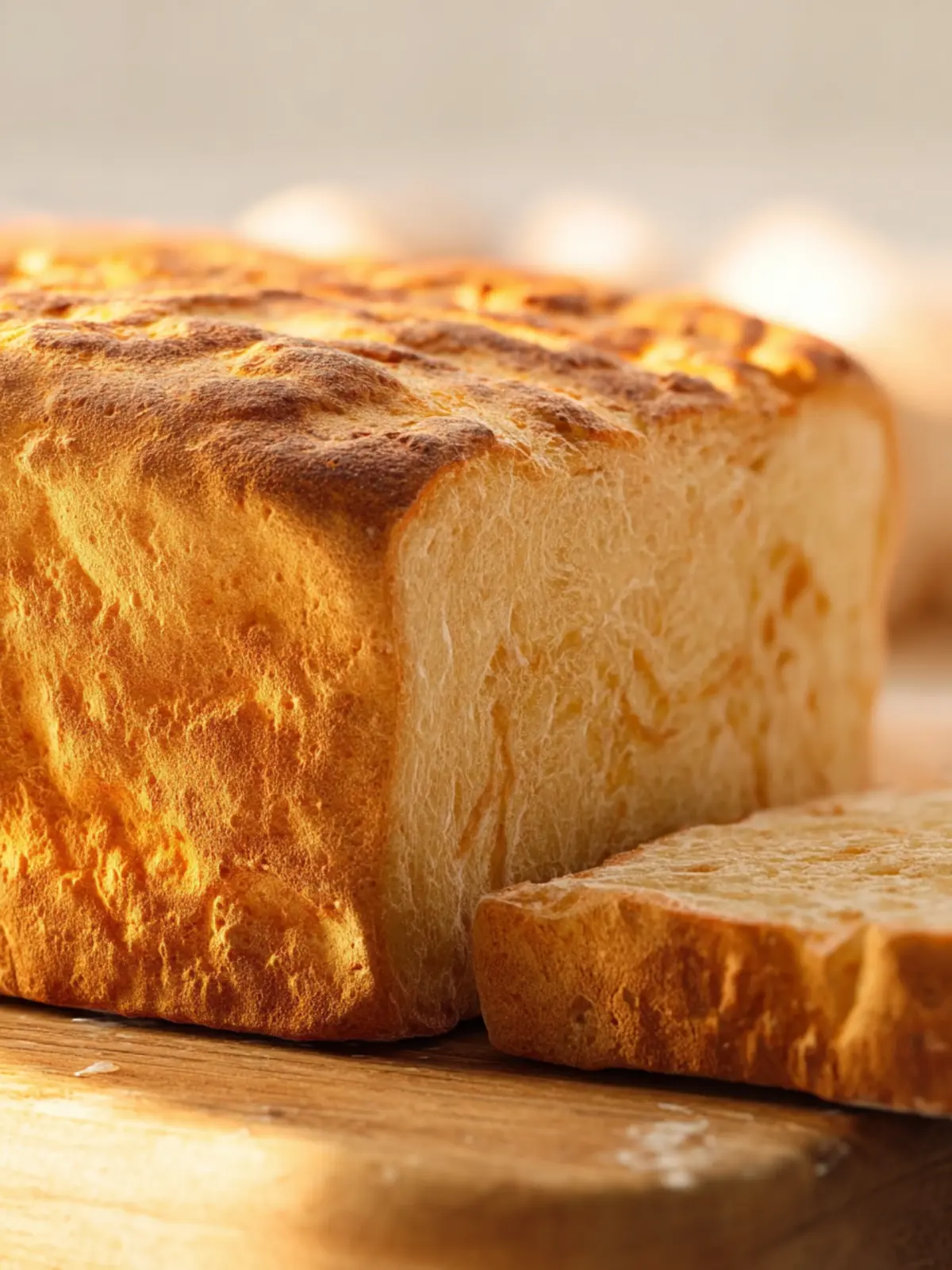
Cassava Bread Magic: Soft, Gluten-Free Goodness at Home

Introduction to Cassava Bread
Imagine stepping into a warm kitchen where the enticing aroma of freshly baked bread envelops you, a delightful blend of tradition and innovation. Cassava bread, made from the starchy root of the cassava plant, is not only gluten-free but also packed with history. Originating from various cultures around the world, this wonderful bread offers a unique texture and flavor that can elevate any meal.
What makes cassava bread a must-try?
-
Cultural Significance: Cassava has been a staple in numerous societies for centuries, particularly in Africa, South America, and the Caribbean. Each region has its own twist on preparing and enjoying cassava, resulting in a rich tapestry of flavors and traditions. Whether you pair it with savory stews, use it as a sandwich alternative, or enjoy it plain, you’re participating in a culinary legacy.
-
Nutritional Benefits: Beyond its rich taste, cassava is a nutritious option. It’s an excellent source of carbohydrates, providing your body with energy throughout the day. Many choose cassava bread for its health benefits, including being naturally gluten-free, making it a great option for those with gluten sensitivities or celiac disease.
-
Versatility in Recipes: The beauty of cassava bread lies in its adaptability. You can enjoy it warm, spread with butter, or use it as a base for a variety of toppings. It also serves as a fantastic complement to soups and salads, absorbing flavors beautifully while still holding its structure.
In short, cassava bread is not just a delicious choice for your table; it’s a dish steeped in history, culture, and versatility. Once you try it, you may find yourself enchanted by its charming qualities, returning to it time and again for its unique flavor and texture. So why not dive in and experiment with this amazing bread? You’re in for a treat!
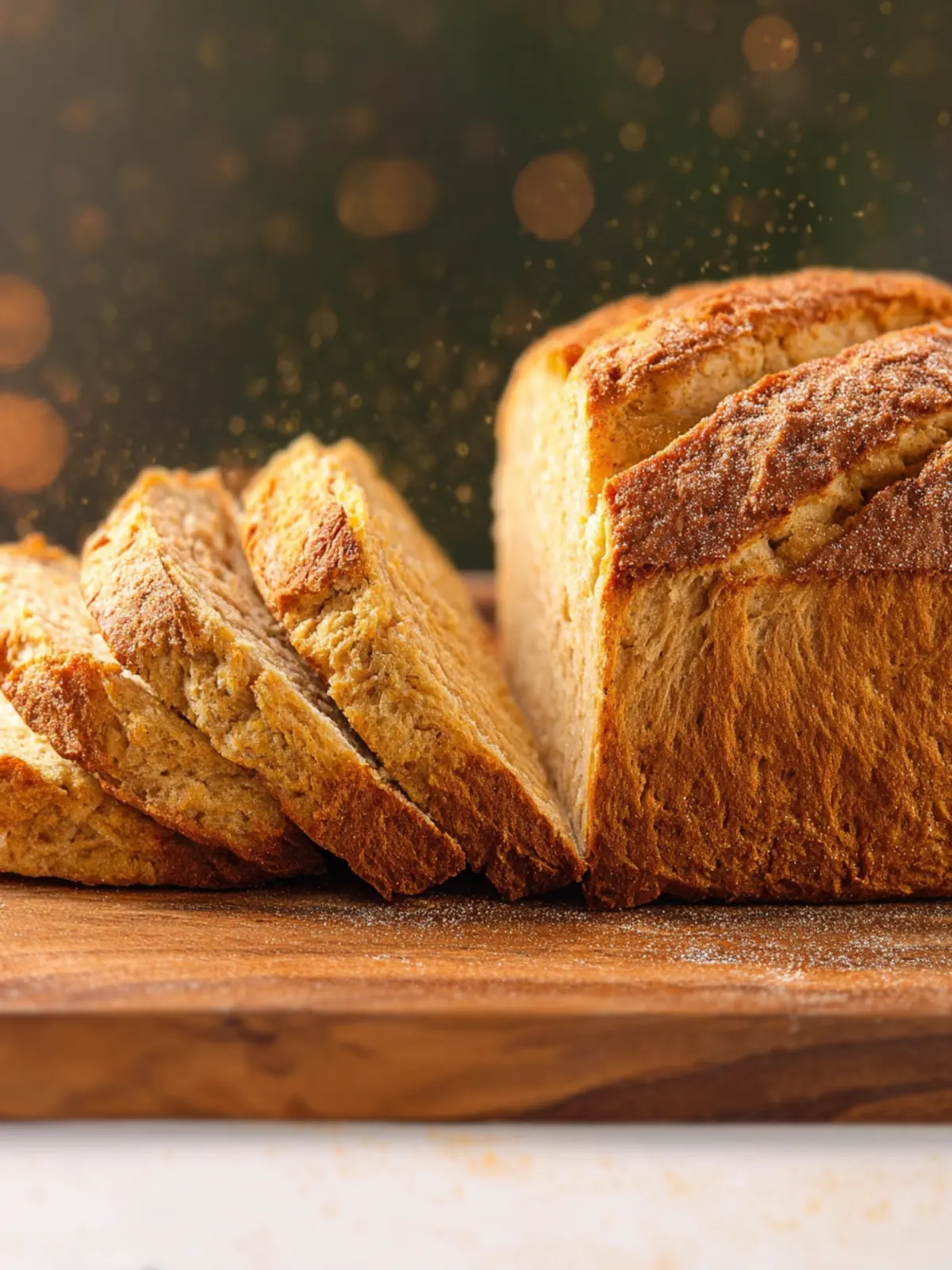
Key Ingredients for Cassava Bread
Creating the perfect cassava bread begins with understanding its essential components, drawing from a rich cultural heritage. These ingredients blend together to create a delightfully chewy, gluten-free alternative to traditional breads.
-
Cassava Flour: The star of this recipe is cassava flour, made from the whole root of the cassava plant. It gives the bread its unique texture and binds the ingredients effortlessly. Always choose finely milled cassava flour for the best results.
-
Water: Hydration is key! You’ll need water to bring the dough together, allowing the cassava flour to absorb it properly. Adjust the amount if your dough feels too dry or too sticky.
-
Salt: A pinch of salt enhances the flavor of the cassava bread, balancing the natural sweetness of the cassava. It’s an essential element that elevates the overall taste.
-
Oil: Whether you prefer coconut oil or olive oil, adding it to your dough not only contributes to flavor but also ensures a tender crumb.
-
Honey or Sugar: A touch of sweetener like honey or sugar can enrich the flavor. It’s not mandatory, but it does add a hint of sweetness that pairs beautifully with savory toppings.
By carefully selecting these ingredients, you’ll craft a delicious loaves of cassava bread that can be enjoyed on any occasion, inviting you to explore its endless culinary possibilities.
Why You’ll Love This Cassava Bread
Cassava bread is more than just a gluten-free alternative; it’s a delightful culinary adventure that transports you straight to the tropics. The first time I made this bread, the warm aroma filled my kitchen with vibrant memories of family gatherings where everything was shared around the table. It’s hard not to love this recipe, and here’s why:
-
Simple Ingredients: Made primarily from cassava flour, this bread captures the essence of gluten-free baking without compromising on flavor. Combined with just a few other ingredients, like water and salt, you get a beautifully textured loaf that pairs well with both savory and sweet toppings.
-
Deliciously Versatile: Whether you’re slathering it with avocado for breakfast, making a sandwich at lunch, or serving it warm with dinner, cassava bread adapts effortlessly to any meal. The flavor is subtle yet inviting, perfect for satisfying those taste buds.
-
A Healthy Option: Cassava is a good source of carbohydrates and adds dietary fiber to your diet. Plus, being gluten-free means it’s an excellent choice for those with gluten sensitivities or celiac disease.
This cassava bread will undoubtedly find its place as a staple in your home. It’s not just about feeding your hunger; it’s about enjoying the process and sharing moments that matter.
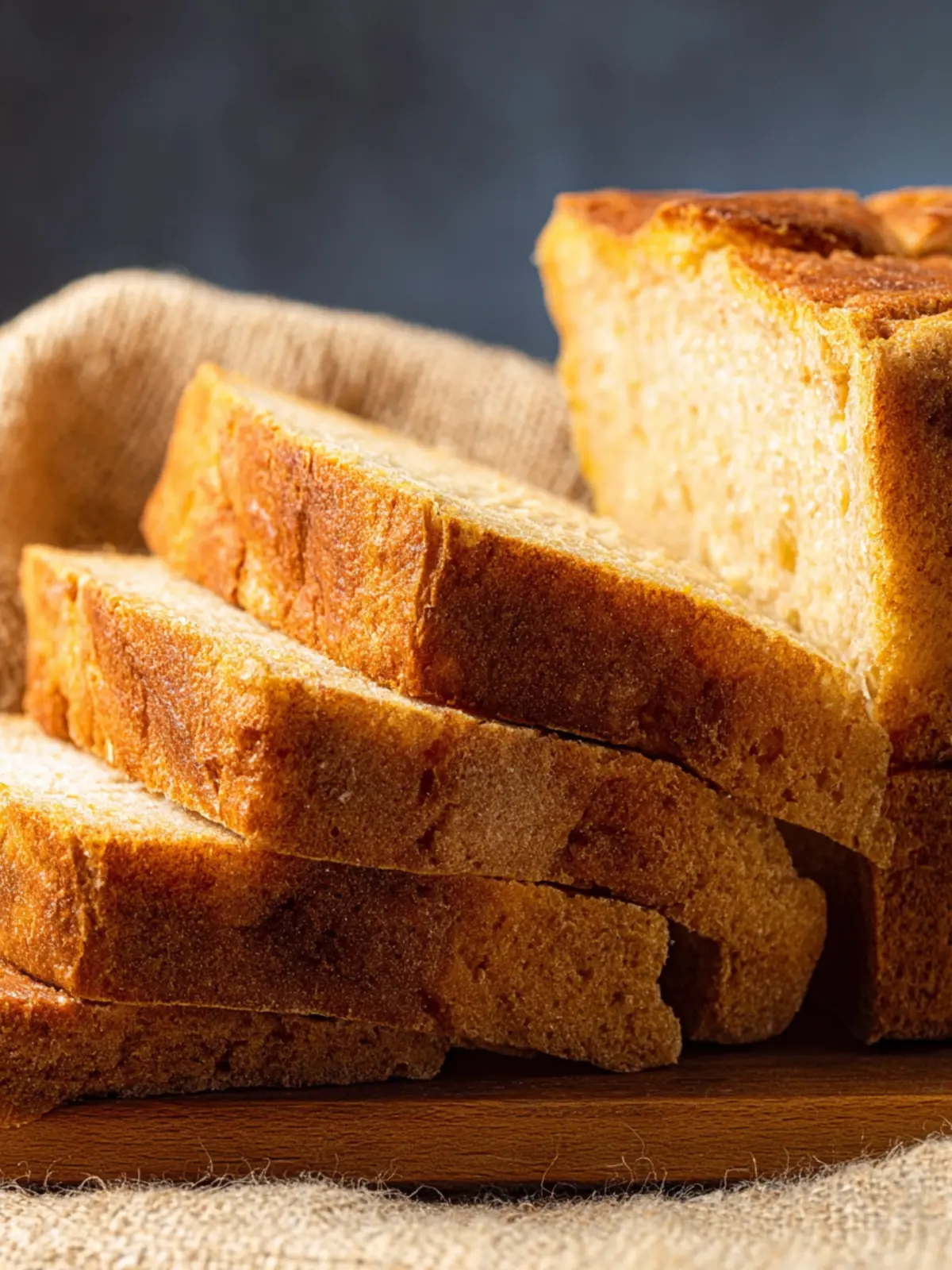
Variations of Cassava Bread
There’s something inherently comforting about cassava bread. Its gluten-free, chewy texture makes it a perfect staple, but have you ever thought about exploring the exciting variations this versatile bread offers? The possibilities are endless, and each twist brings a unique flavor to the table!
Sweet Cassava Bread
One delightful variation is to make sweet cassava bread. By incorporating ripe bananas or sweet potatoes into the dough, you can add a warm, natural sweetness. The moisture from these ingredients creates a softer texture, making it the perfect afternoon snack.
Savory Cassava Bread
For a heartier option, consider savory cassava bread—mix in herbs and spices like garlic, rosemary, or even a sprinkle of cheese. This version pairs beautifully with soups and salads, making it an excellent addition to any meal.
Cassava Bread with Seeds
If you’re looking to amp up the nutrition profile, try adding seeds such as chia, flax, or sesame to your cassava bread mix. This not only enhances the flavor but also boosts the fiber and omega-3 content, making it a more health-conscious choice.
Flavored Cassava Bread
Don’t hesitate to experiment with flavorings! A touch of vanilla or coconut milk can transform regular cassava bread into a delightful treat. Imagine the aroma wafting from your kitchen—it’s sure to whet anyone’s appetite!
Embrace these variations and let your creativity shine in the kitchen. Each one has its own story, and trying them out could set you on an unforgettable culinary adventure!
Cooking Tips and Notes for Cassava Bread
Making cassava bread is not just a culinary endeavor; it’s an experience infused with culture and creativity. As you embark on this journey, here are some tips to ensure your bread turns out perfectly.
Selecting Your Cassava
Fresh cassava root is key for a delightful texture. Look for firm roots with unblemished skin. If peeled cassava is your go-to, be sure it’s stored properly to avoid spoilage. The quality of your base ingredient can make all the difference in flavor and texture.
Ready Your Equipment
Invest in a good-quality grater or food processor for the cassava. A fine texture will help achieve that ideal consistency. You also need to prepare a bowl for mixing and a baking sheet lined with parchment paper to prevent sticking.
Baking with Precision
When mixing your cassava bread dough, aim for a soft but not too sticky consistency. It should hold together but still be slightly pliable. Keep a little cassava flour on hand to dust your hands and workspace to prevent sticking.
Don’t Rush the Process
Let your dough rest for about 20 minutes before baking. This allows the flavors to meld and results in a more cohesive loaf. Monitor the baking time closely to prevent over-browning; your cassava bread should be a golden brown.
Enjoy Your Creation
Once done, let the bread cool slightly before slicing. The flavors deepen as it cools, and it’s perfect for serving with dips or as part of your favorite meal. Have fun experimenting with toppings – the possibilities are endless!
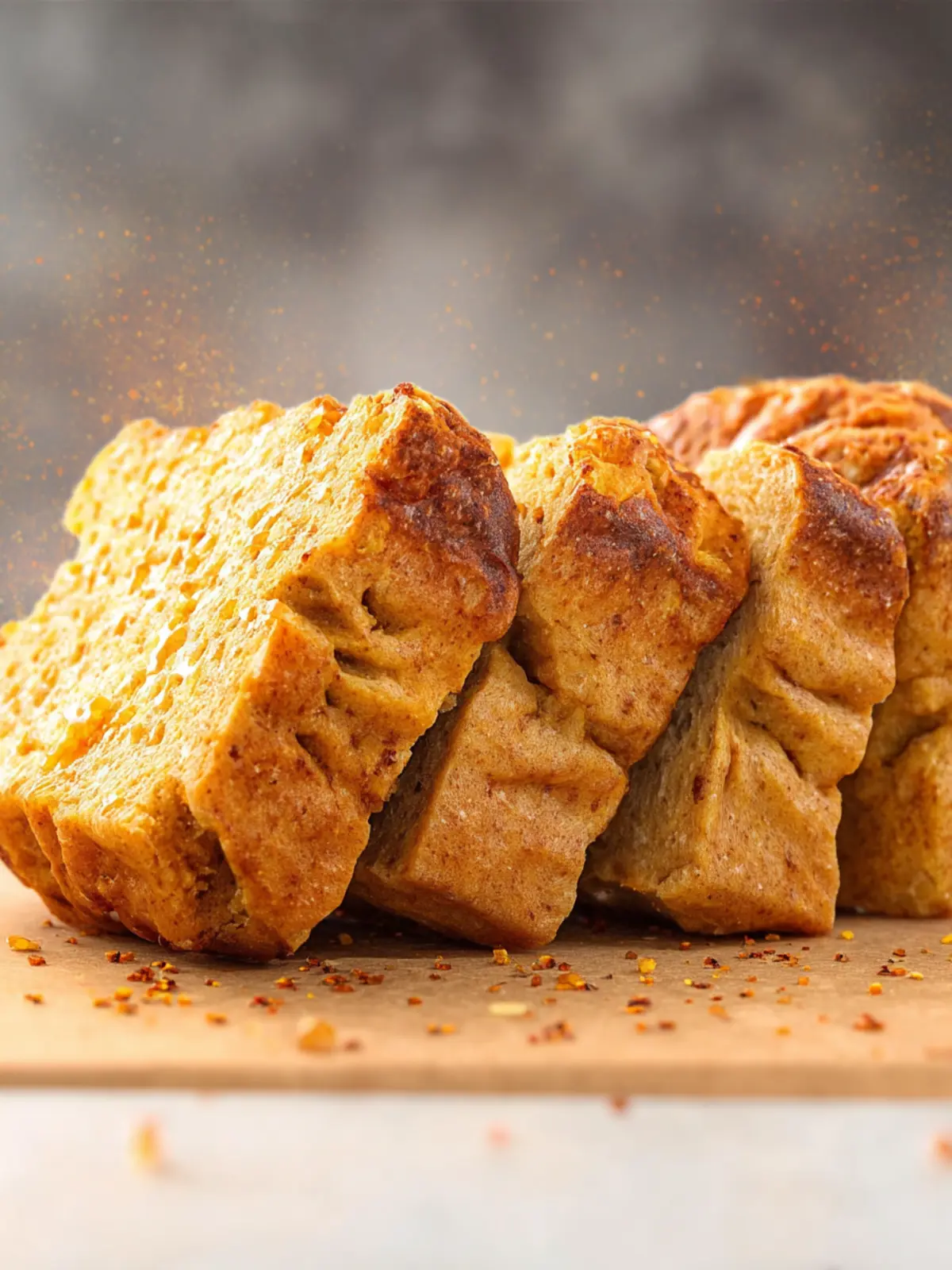
Serving Suggestions for Cassava Bread
Cassava bread, with its unique texture and subtle flavor, opens up a world of culinary possibilities that can elevate any meal. Whether you’re enjoying a casual breakfast or hosting a festive gathering, there are various delightful ways to serve this versatile bread.
-
Spread the Love: A classic way to enjoy cassava bread is by slathering it with butter or ghee while it’s still warm. For a flavorful twist, consider topping it with a smear of avocado and a pinch of salt. This not only enhances the taste but also adds a creamy texture that pairs beautifully with the bread.
-
Pair It Wisely: Cassava bread goes remarkably well with hearty soups or stews. Think about serving it alongside a rich chili or a fragrant coconut curry. The bread will soak up the flavors and provide a satisfying contrast to the dish.
-
Snack Time: Transform cassava bread into a delicious snack by toasting it and serving with a side of hummus or salsa. It’s the perfect vehicle for dipping and makes for a great appetizer at gatherings.
The beauty of cassava bread lies in its adaptability, making it a staple that can complement many dishes or shine on its own. Enjoy experimenting with these serving suggestions and find your favorite combination!
Time Breakdown for Cassava Bread
Creating cassava bread is not only delicious but also an enjoyable activity that brings flavors from the heart of South America right into your kitchen. Understanding how to allocate your time ensures that the experience is stress-free and satisfying.
Preparation Time
The prep work for this delightful bread will take about 15 minutes. This includes peeling and grating the cassava, mixing it with the other essential ingredients, and getting everything ready for baking.
Baking Time
Once prepped, the cassava bread bakes for approximately 25-30 minutes. Keep an eye on it as it transforms into a golden, delicious loaf.
Total Time
In total, you’re looking at around 40-45 minutes from start to finish. It’s a quick endeavor for a fresh, gluten-free bread that can elevate any meal or snack!
Nutritional Facts for Cassava Bread
Cassava bread, a delightful gluten-free option, offers a unique blend of wholesome ingredients that make it both tasty and nutritious.
Calories
One serving of cassava bread typically contains about 100 calories. This makes it an excellent choice for a light snack or as part of a balanced meal without contributing to excess calorie intake.
Protein
With approximately 1.5 grams of protein per serving, cassava bread provides a modest amount to help support your daily intake. While it isn’t a primary protein source, combining it with protein-rich toppings can enhance its nutritional profile.
Sodium
Cassava bread is relatively low in sodium, generally containing around 0-5 milligrams per serving. This makes it a heart-friendly option compared to many commercially available bread choices.
FAQs about Cassava Bread
When diving into the world of cassava bread, you might have questions that arise during your culinary adventure. Fret not! We’ve gathered some common inquiries to help you navigate through your cassava bread making journey seamlessly.
Can I substitute cassava flour with other flours?
While cassava flour is unique in its properties, you can experiment with alternative flours if needed. Keep in mind that substitutes like almond flour or coconut flour may alter the texture and taste of your cassava bread. If you want to retain that authentic flavor and grainy texture, you might want to stick with cassava flour. Remember, making substitutions can lead to delicious discoveries, but they may require some adjustments in liquid measurements too.
Is cassava bread suitable for vegans?
Absolutely! Cassava bread is naturally vegan since it’s made from cassava flour, which is derived from the root vegetable. You won’t find any animal products in this scrumptious bread, making it a perfect option for those following a plant-based lifestyle. Whether you’re serving it at a gathering or enjoying it solo, you can feel great knowing it aligns with vegan dietary choices.
How should I store my cassava bread?
Proper storage is key to maintaining the freshness of your cassava bread. To keep it soft and delicious, wrap it in plastic wrap or place it in an airtight container. You can store it at room temperature for a few days, but if you want to extend its shelf life, refrigerate or freeze it. When you’re ready to enjoy, simply pop it in the toaster or oven to revive that warm, freshly-baked texture. Enjoy your cassava bread and savor every bite!
Conclusion on Cassava Bread
In crafting the perfect cassava bread, it becomes evident how this humble root can transform into something truly delightful. The gluten-free nature of cassava flour not only caters to dietary needs but also brings a light, airy texture that makes it perfect for sandwiches or as a side. Picture yourself enjoying a slice fresh out of the oven, its subtle nuttiness complementing any meal. Whether you’re new to baking or a seasoned pro, this recipe invites all to embrace the rich flavors of cassava. So gather your ingredients, and enjoy the satisfaction of making something wholesome and delicious right at home.
Print
Cassava Flour Bread
- Total Time: 50 minutes
- Yield: 1 loaf 1x
- Diet: Gluten-Free
Description
A delicious gluten-free bread made with cassava flour and yogurt.
Ingredients
Scale
- 1 ½ cups cassava flour
- 1/3 cup tapioca flour
- 2 teaspoons baking powder
- 1 teaspoon baking soda
- ¾ teaspoons kosher salt
- 3 large eggs
- ½ cup buttermilk
- 1/3 cup Greek yogurt (or sour cream)
- 2 tablespoons olive oil (vegetable, canola, avocado or olive)
- 1 ½ tablespoons honey
Instructions
- Preheat the oven to 350°F (177°C) and line a 4×8 or 5×9 loaf pan with parchment paper.
- In a medium bowl, whisk together the cassava flour, tapioca flour, baking powder, baking soda and salt.
- In a large measuring cup, whisk together the eggs, buttermilk, Greek yogurt, oil and honey, until well combined.
- Pour the egg mixture into the dry flour mixture and stir until well combined and no pockets of flour remain. Make sure not to overmix as it can mess with the rise.
- Evenly spread the batter into the prepared pan.
- Bake for 35-40 minutes. Keep an eye on the center when baking. The top can look done before the middle is fully cooked. I always use the toothpick test—when it comes out clean from the center, you’re good to go.
- Let the bread cool in the pan for about 10 to 15 minutes, then transfer it to a rack to finish cooling.
Notes
- Check the bread with a toothpick to ensure it is fully baked.
- Allow the bread to cool completely for better slicing.
- Prep Time: 10 minutes
- Cook Time: 40 minutes
- Category: Bread
- Method: Baking
- Cuisine: Gluten-Free
Nutrition
- Serving Size: 1 slice
- Calories: 150
- Sugar: 5g
- Sodium: 120mg
- Fat: 5g
- Saturated Fat: 1g
- Unsaturated Fat: 4g
- Trans Fat: 0g
- Carbohydrates: 20g
- Fiber: 2g
- Protein: 6g
- Cholesterol: 60mg